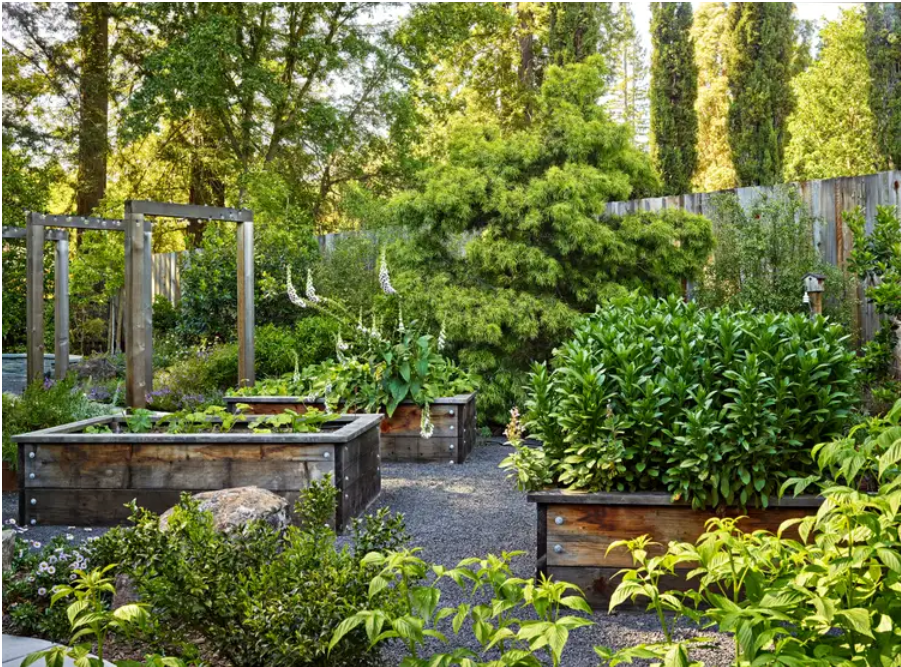
In this era of unpredictable climate change, garden design is no longer a simple aesthetic pursuit; it is an intelligent response to environmental change. Creating a garden that can adapt to a changing climate is an art form that understands nature, respects ecology, and embraces the rhythms of the seasons. Let us explore the gardening philosophy of the future.
Understanding the Key to Climate Adaptability
The core of a climate-resilient garden lies in fully considering local climate and environmental conditions during design, selecting appropriate plants and layouts, reducing water waste, and enhancing plant resilience.
- Selecting drought-tolerant, cold-resistant, and adaptable native plants is the cornerstone of a resilient garden.
- Ensuring appropriate light and water levels for different plants through appropriate zoning.
- Improving soil structure, increasing organic matter and microbial activity, provides a solid nutritional foundation for plants.
Water Management: The Wisdom of Water Conservation and Recycling
Water is the source of life and the element most vulnerable to climate change in garden design. Smart garden design should prioritize water conservation, while also utilizing rainwater and wastewater recycling to reduce reliance on external water supplies.
- Use rainwater harvesting systems to convert natural rainfall into plant irrigation resources;
- Employ drip irrigation systems and permeable paving to minimize water loss and evaporation;
- Utilize the terrain to appropriately design gentle slopes and water catchment areas to promote even water distribution within the soil.
Diverse Vegetation: Building an Ecological Symbiotic System
Rich plant diversity is a natural barrier against climate shocks. Mixing a variety of native trees, shrubs, and herbs enhances the stability and self-regulating capacity of the ecosystem.
- Create a diverse vegetation structure to enhance habitats and promote symbiosis between insects and birds;
- Introduce perennials with varying flowering periods to maintain ecological vitality and aesthetic appeal year-round;
- Strategically arrange functional plants, such as nitrogen-fixing plants to improve soil fertility and insect-repellent plants to reduce pesticide use.
Soil Health: The Foundation of a Long-Lasting Garden
Healthy soil is the key to a garden’s long-term success. Good soil not only promotes plant growth but also strengthens the resilience of the entire ecosystem.
- Apply natural organic fertilizers to increase soil nutrient and water retention capacity;
- Avoid over-tillage to preserve soil microbial diversity and promote natural decomposition and recycling;
- Use mulch to protect the soil, slow evaporation, and retain heat and cold.
Ongoing Management and Adjustment of Garden Design
Climate adaptation isn’t limited to initial design; it requires continuous observation and adjustment. Only by flexibly responding to changing conditions can a garden truly thrive and beautify over time.
- Regularly test soil moisture and nutrient levels to precisely adjust watering and fertilization schedules;
- Observe plant growth and introduce new species to replace those that aren’t well-adapted;
- Encourage organic and natural maintenance practices to reduce the pressure of chemicals on the environment.
Creating a climate-resilient garden is like creating a sustainable ecological landscape for the planet. It is a dialogue between designers and nature, a dance between aesthetics and science, and a testimony to the harmonious coexistence of future life and nature.